

In 2026, your brand reputation is the single most valuable and vulnerable asset you control. It dictates your market position, influences customer trust, and ultimately determines your long-term viability. In a landscape saturated with AI-driven innovation and fierce competition, what people say about you when you are not in the room has become the definitive measure of your success.
A strong reputation is not a byproduct of a good product; it is a strategic imperative built with intention and defended with vigilance.
Perception is reality. For tech innovators, this means that code, features, and roadmaps are only part of the equation. The narrative surrounding your company is what closes deals, attracts top engineering talent, and secures market leadership.
Studies suggest that many B2B buyers are hesitant to engage with a vendor that has negative online reviews, even if the product itself is high quality.
Ignoring the active management of your brand reputation is a critical business error. It leaves your most important asset exposed to market volatility, competitive attacks, and the unpredictable nature of public opinion. Building a resilient reputation requires a deliberate, proactive strategy grounded in expertise.
The Foundations of a Resilient Brand Reputation
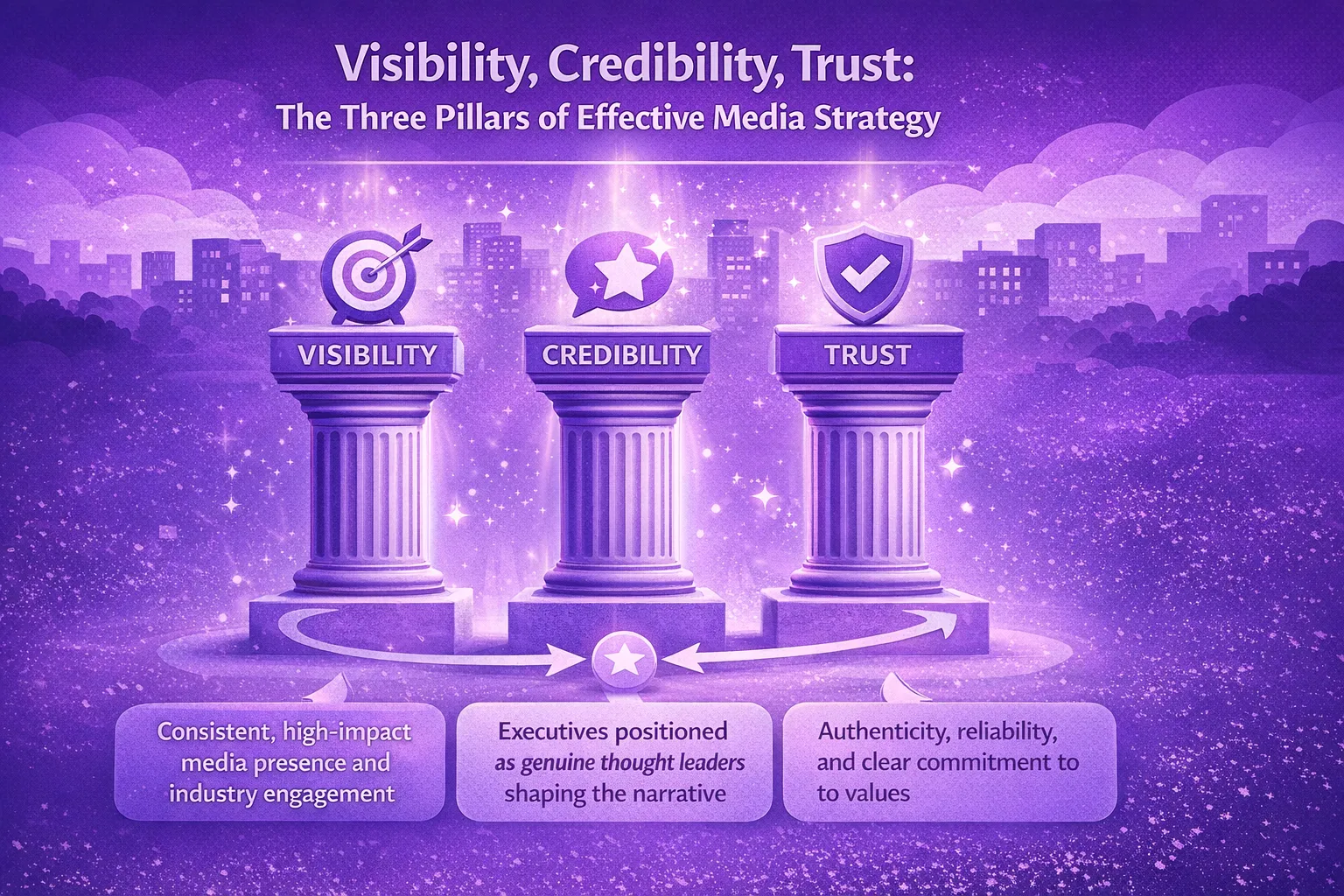
A strong corporate reputation is not accidental. It is engineered from three core pillars that work in synergy to create a powerful defense against market headwinds and a foundation for sustainable growth.
Navigating Threats to Your Brand Reputation in 2026
The digital environment of 2026 presents unique threats to your brand reputation. The speed at which misinformation can spread has accelerated, and AI-powered tools can amplify both positive and negative sentiment at an unprecedented scale. One negative customer experience, a poorly worded executive comment, or a security vulnerability can escalate into a full-blown crisis in hours, not days.
Proactive threat management involves constant monitoring of the digital ecosystem and having a robust crisis communications plan ready to deploy. This is not simply about reactive damage control. It is about understanding potential vulnerabilities, preparing clear and honest messaging, and identifying key spokespeople before a crisis ever hits.
Furthermore, the line between B2B and B2C communication has blurred. Tech purchasers are consumers who bring their personal values and expectations into the buying process. Your company’s stance on social issues, its internal culture, and its commitment to sustainability are all under public scrutiny and directly impact your corporate brand reputation. Ignoring these aspects is no longer an option.
From Founder Story to Industry Leader: A Strategic Approach
Transforming your company from a promising startup into an established industry leader requires a communications strategy that evolves with your business. Early on, the focus is on telling your founder’s story, validating the market need, and securing initial believers. The narrative is tight, focused on the core innovation and the problem it solves for early adopters.
As you scale, the narrative must expand. The goal shifts from validating a product to establishing market dominance. This is where sustained thought leadership and a comprehensive media strategy become critical. Our work with technology innovators shows that a targeted communications program can secure the top-tier coverage that defines a category leader. You can see examples of this in our Case Studies.
An integrated approach is essential. Public relations, content marketing, and executive visibility programs must work in concert. Each piece of content, every media placement, and every speaking engagement should reinforce the central narrative of your leadership and vision. This is how you build a brand reputation that not only withstands scrutiny but actively drives business forward.
The Partnership Imperative: Why Expertise Matters
Managing brand reputation is not a part-time job or a secondary function of the marketing department. It requires specialized expertise and a team that understands the nuances of the technology landscape. A strategic PR partner acts as a direct extension of your leadership team, providing the counsel and execution needed to navigate complex market dynamics.
Sparkpr has been at the forefront of technology communications since the dawn of the internet. We combine deep industry knowledge with a full suite of integrated Capabilities to build and protect the reputations of the world’s most innovative companies. We understand the difference between telling a story and building a lasting legacy.
Whether you are an enterprise AI firm seeking to cement your authority or a consumer tech brand aiming for household name status, the principles are the same. A powerful brand reputation is your shield and your sword. It protects you in times of crisis and allows you to capture market share. If you are ready to build a reputation that defines your industry, then Let's Talk.
Frequently Asked Questions
How has AI impacted brand reputation management in 2026?
AI has fundamentally changed the speed and scale of reputation management. On one hand, AI-powered tools allow for more sophisticated media monitoring and sentiment analysis, giving us real-time insights into public perception. On the other hand, it accelerates the spread of misinformation, making proactive crisis planning more critical than ever. We leverage Harnessing AI for Strategic Innovation to help clients stay ahead of these trends.
What is the first step my company should take during a reputation crisis?
The first step is to pause, gather all facts, and convene your core crisis team, which must include your legal counsel and PR partner. Do not issue a reactive or incomplete statement. Your initial actions should be to understand the situation fully, assess the immediate impact, and align on a single, truthful source of information before communicating externally.
How do you measure the ROI of reputation management?
The ROI of reputation management is measured through a combination of qualitative and quantitative metrics. We track Share of Voice (SOV) against competitors, sentiment analysis, key message penetration in media coverage, and inbound web traffic from earned media. Ultimately, a strong reputation correlates directly with higher sales conversions, improved recruitment and retention, and a more favorable valuation.
Is it ever too early for a startup to focus on brand reputation?
No. Reputation building begins the moment you have your first employee, pitch your first investor, or write your first line of code. Early-stage startups may not need a massive media campaign, but they absolutely need a clear narrative, consistent messaging, and a plan to build credibility within their niche. Establishing these foundations early makes scaling much easier.
How does influencer marketing affect a B2B tech company's reputation?
In the B2B tech world, "influencers" are often respected industry analysts, prominent academics, and technical experts with large followings. Engaging these individuals can lend immense third-party credibility to your brand. A strategic program to build relationships with these tech evangelists can be more impactful than traditional advertising, as their endorsement is seen as an authentic validation of your technology.
Does my consumer tech brand need a different reputation strategy than an enterprise one?
Yes, the approach is different. For enterprise tech, the focus is on building authority, trust, and credibility with a niche group of expert buyers. For consumer brands, the strategy is broader, blending lifestyle elements with technology to create an emotional connection with a mass audience. A specialized Consumer Technology PR Agency approach often integrates media relations, influencer marketing, and affiliate strategies to build a brand that people not only trust but love.
Conclusion: Your Reputation is Your Legacy
In the dynamic technology landscape of 2026, your brand reputation is the fundamental driver of your company's growth and resilience. It silently influences every sales contract, partnership opportunity, and top-tier talent acquisition. Nurturing this asset isn't a defensive tactic—it's your most potent offensive strategy for achieving and sustaining market leadership.
Key Takeaways:
- Reputation is a Core Business Asset: Treat your brand reputation as a primary objective that requires deliberate, C-level strategy, rather than a secondary marketing function.
- The Three Pillars are Foundational: A resilient reputation is engineered through a synergistic blend of Visibility (being known), Credibility (being respected), and Trust (being relied upon).
- Proactive Management is Non-Negotiable: In an era of AI-accelerated information, you must proactively monitor threats and manage your narrative before it is managed for you.
- Expertise is a Strategic Differentiator: Navigating the complexities of modern reputation management requires a specialized partner that can align communications strategy with your most critical business goals.
The next step is to transition from simply acknowledging the importance of reputation to actively commanding your narrative. A deliberate, expert-led communications program is the catalyst that transforms your company’s perception from a contender into the definitive leader in your category. If you are ready to build a brand reputation that doesn't just shield your business but propels it forward, our team is equipped to help you build that legacy. Schedule a consultation with our experts today.


